
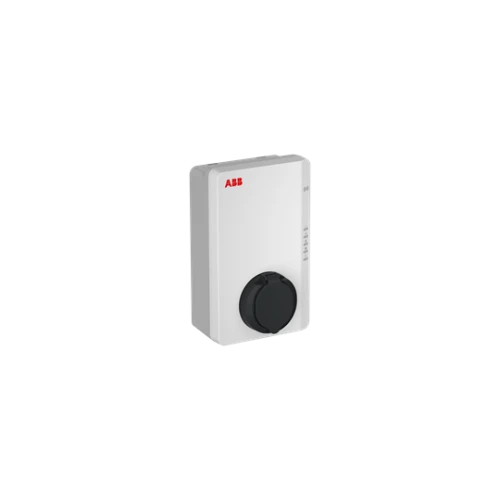
ABB
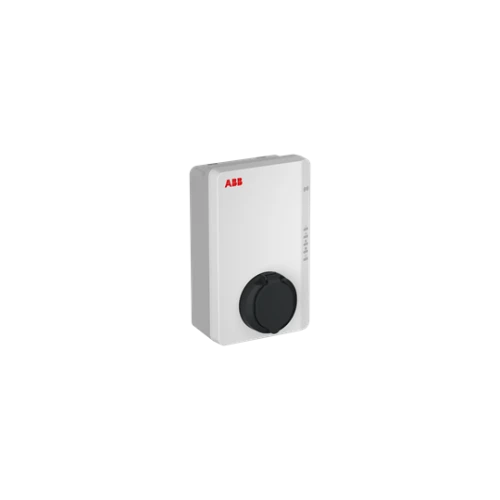
ABB Terra AC W22-T-0 Electric Vehicle Charger
$1,800
VAT incl.
Free shipping Ships within 2-3 days
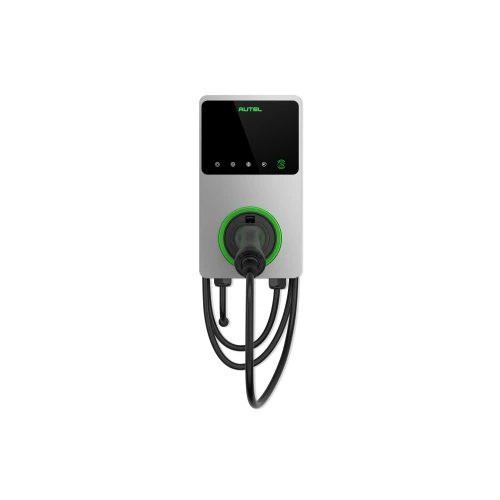
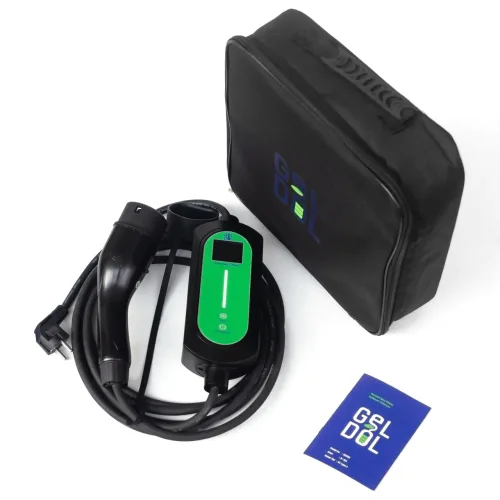
Electric vehicle charging stations let you charge from the mains at home or at work. Oto Ideal stocks the ABB Terra AC and Terra DC Wallbox ranges, Autel MaxiCharger, Livoltek and the portable Geldol unit, all supplied with an invoice and a warranty.
Free shipping Ships within 2-3 days
Free shipping Ships within 2-3 days
Free shipping Ships within 2-3 days
Free shipping Ships within 2-3 days
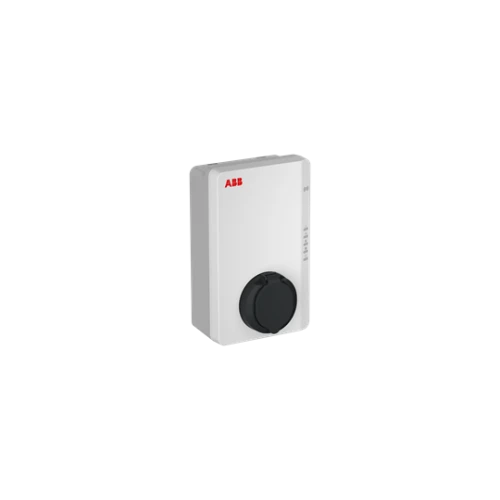
Free shipping Ships within 2-3 days
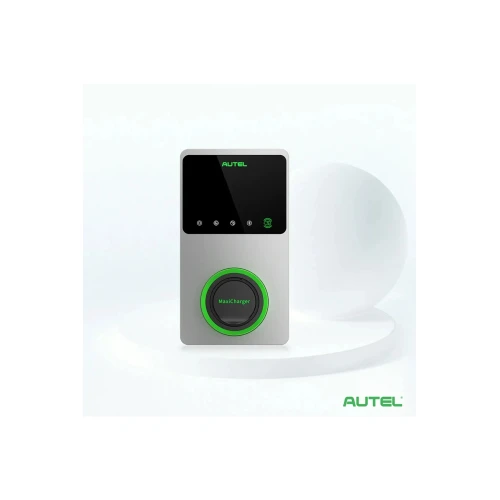
Free shipping Ships within 2-3 days
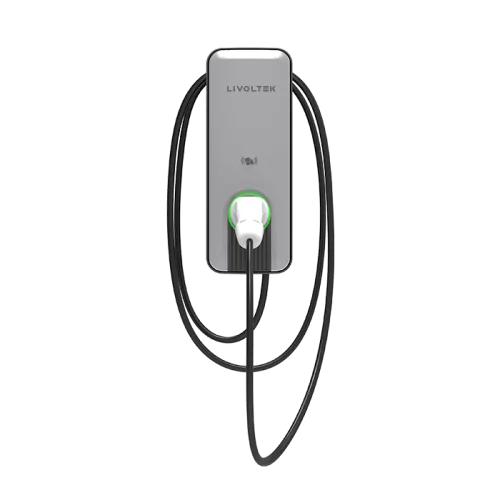
Free shipping Ships within 2-3 days
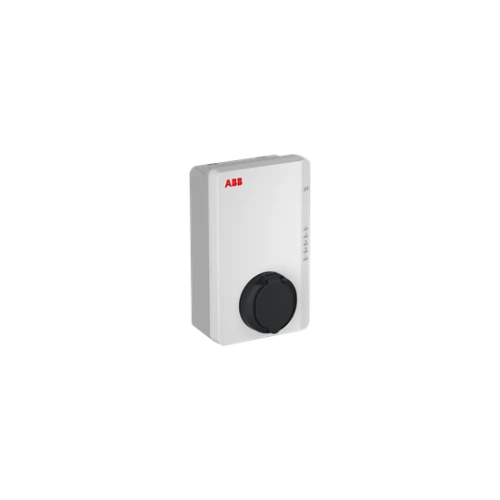
Free shipping Ships within 2-3 days
Two things decide it: your electrical supply and the limit built into your vehicle.
7.4 kW single-phase units run on a domestic supply and usually need no additional infrastructure. If charging overnight is enough for you, this is the right choice.
22 kW three-phase units need a three-phase supply. One caution: if the on-board charger in your car is rated at 11 kW, it will draw 11 kW from a 22 kW station regardless. Check your vehicle AC charging rate before choosing.
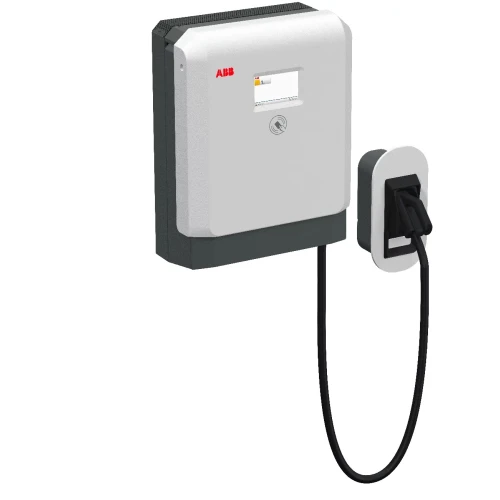
DC rapid charging — units such as the ABB Terra DC Wallbox 24 kW CCS2 charge with direct current and bypass the on-board charger entirely. This is for commercial use, fleets and businesses where a customer is waiting.
With a socket unit you bring your own cable, which suits shared points serving different vehicles. With a tethered unit the cable stays attached, which is more convenient when it is your own car every day.
For high-voltage systems and battery health measurement, see electric vehicle diagnostic devices.
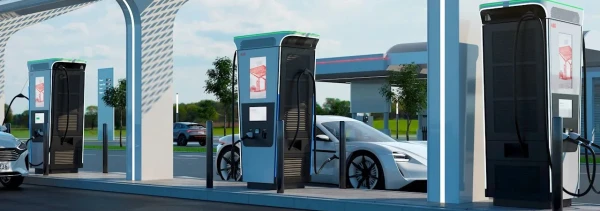
The rapid advancements in electric vehicle (EV) technology have sparked a global shift towards cleaner and more sustainable transportation s...
Read More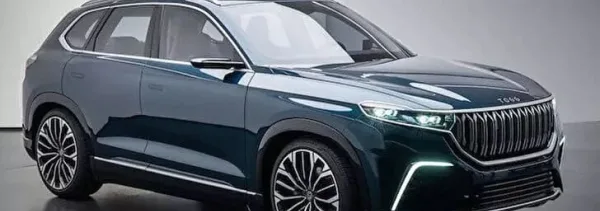
TOGG's electric vehicles seamlessly integrate with electric vehicle charging stations produced by ABB.
Read MoreThree things decide it. Your car's onboard AC charger: most electric cars are limited to 11 kW, and on those a 22 kW unit still delivers 11 kW. Your electrical supply: 22 kW needs three-phase power; on single phase you get at most 7.4 kW. Your supply contract: the fuse and cable size must suit that power.
If you charge overnight at home, 7.4 kW fills most cars by morning. Higher power makes sense for fleets, workplaces and anywhere several cars charge during the day.
Wall-mounted chargers are wired into the fixed installation and must be fitted by a qualified electrician. The residual current device, fuse rating and earthing matter as much as the charger itself.
Portable units run from an ordinary socket and need no installation, but on older wiring they should be used on the lower current setting and never through an extension lead.
This page carries 4 brands: ABB, Autel, GelDol, Livoltek.
Each brand page compares its models and explains what to look for.
Products on this page range from $1,200 to $16,860 including VAT.
The gap is coverage: a tool that reads and clears codes does not do what a tool that codes and programs does. Tell us your budget and we will shortlist the models that fit.
Yes. Every product on this page is genuine, invoiced and under warranty.
Shipping is free on orders over 3,000 TL, and remote technical support is provided for installation and first use.
Double-tap to zoom
Strictly necessary cookies keep the site working. With your permission we also keep visit statistics; you are not identified. Details